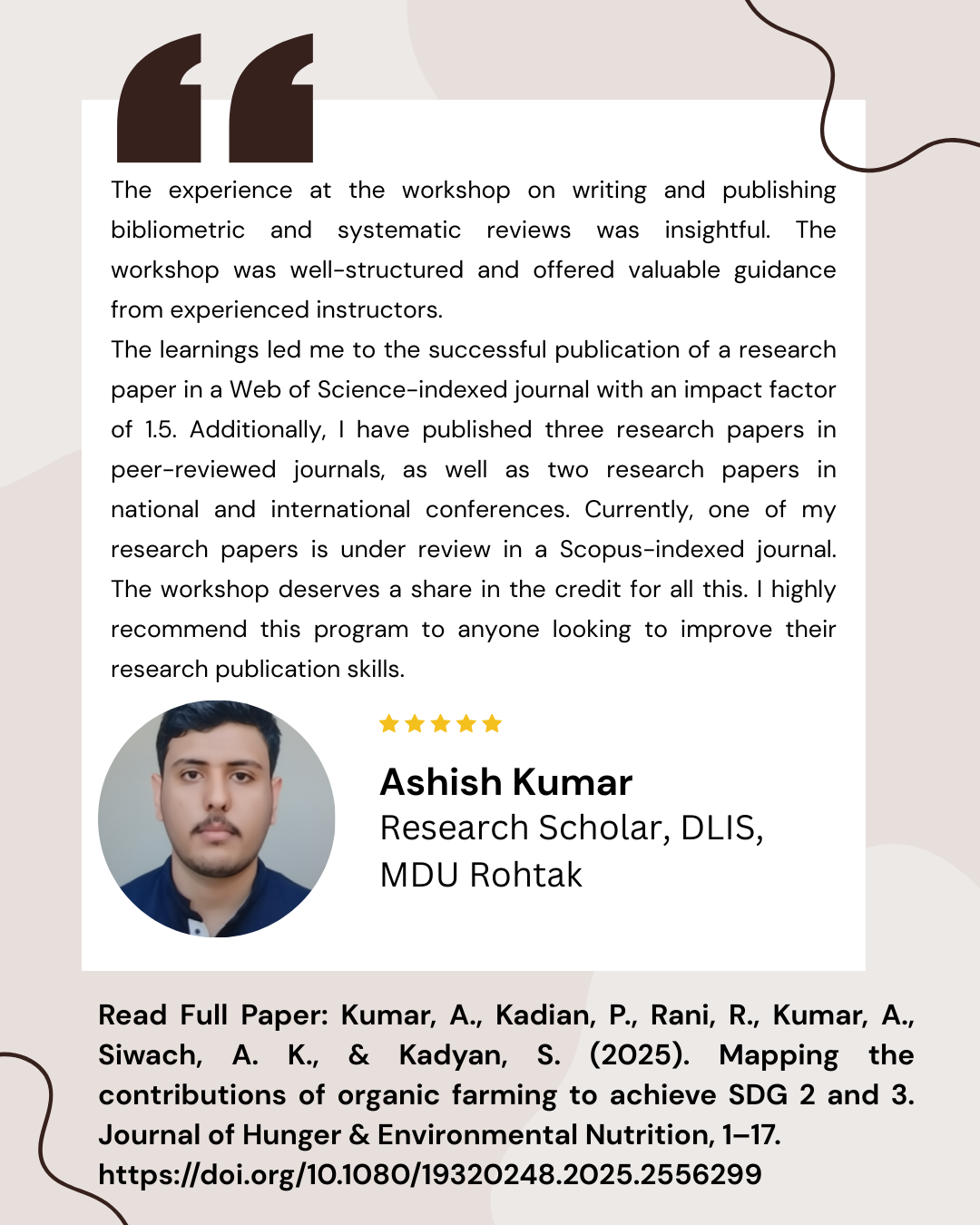
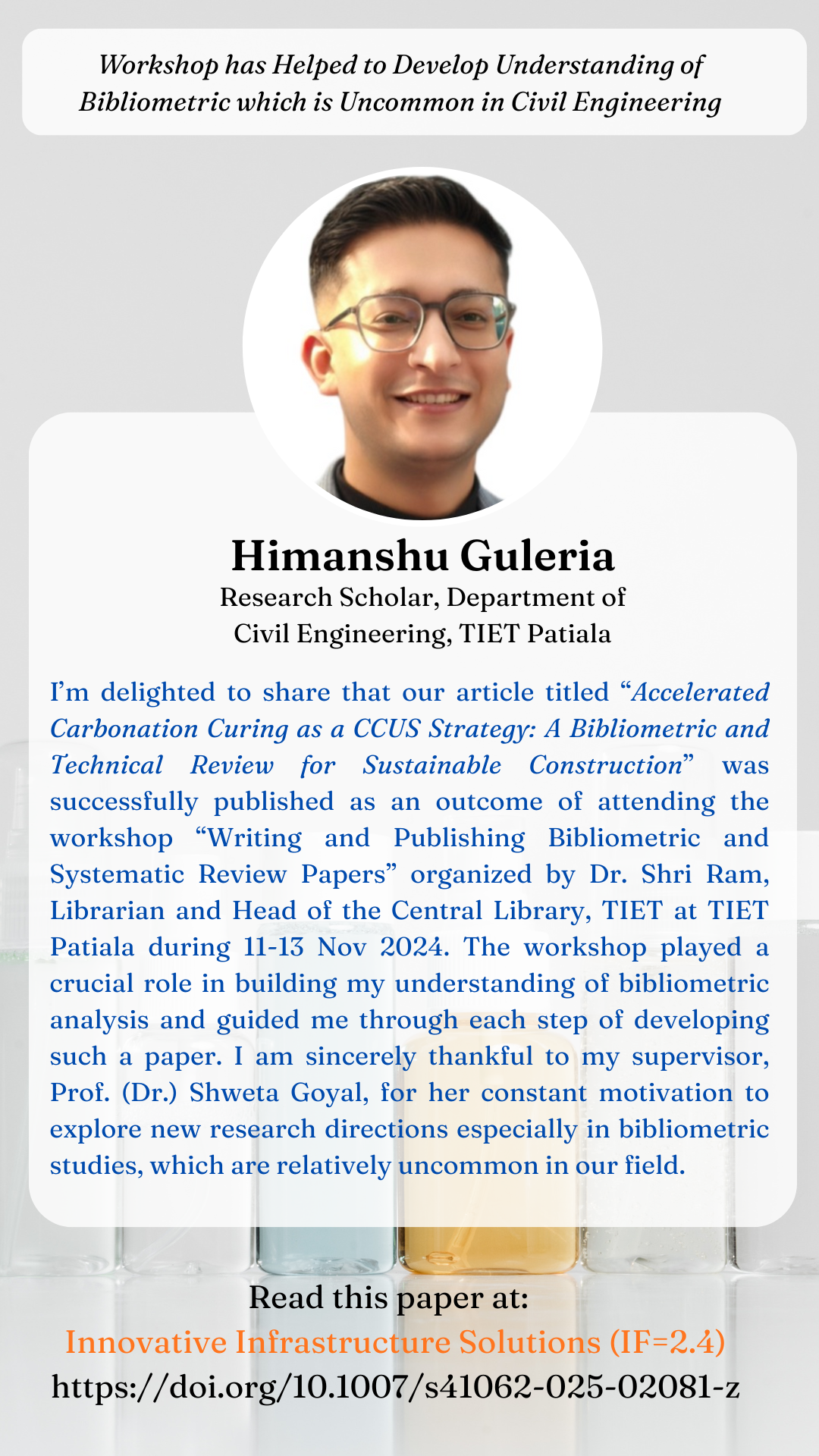
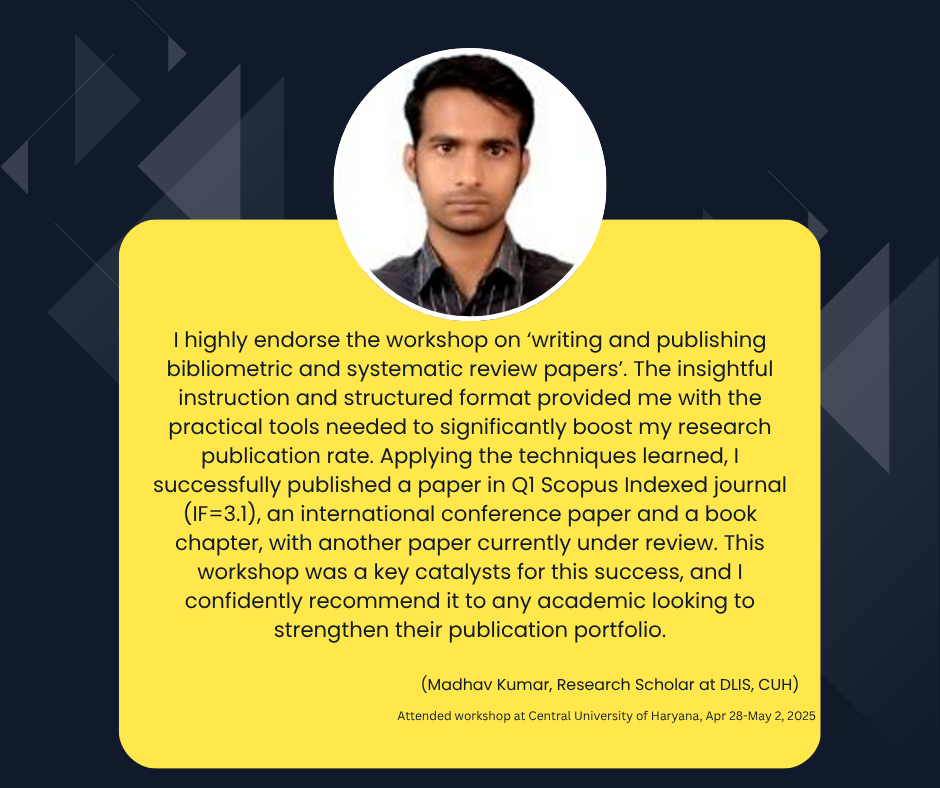
Testimonials and Learning Outcomes
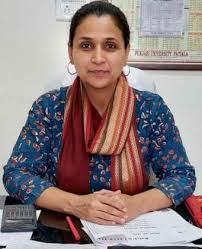
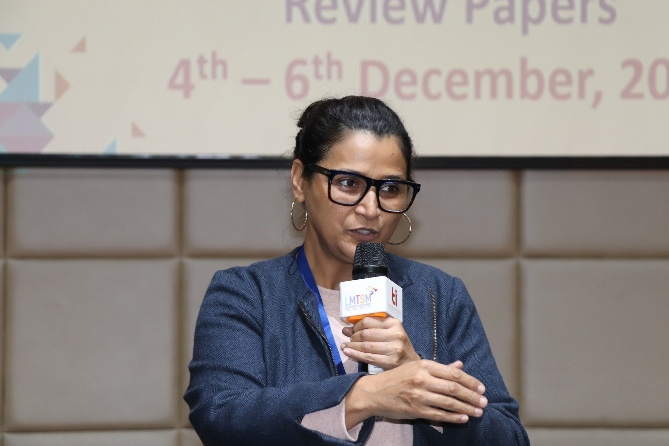
Professor Minni Singh, Associate Dean Research Punjabi University Patiala
I have attended a three-day workshop on Bibliometric and Systematic Reviews paper writing conducted at the LM Thapar School of Management. The workshop brought together researchers, faculty members, and postgraduate scholars, and focused on both conceptual foundations and practical applications of bibliometric techniques and systematic review methodologies.
A key highlight of the workshop was the set of lectures devoted to the role of bibliometric analysis in identifying and selecting viable research topics. The resource person, Dr Shri Ram, explained how bibliometric indicators such as publication trends, and keyword co-occurrence can be effectively used to map the structure of a research domain. Participants were guided on how these analyses help in identifying research gaps, emerging themes, highly influential works, and underexplored areas, thereby supporting informed decision-making during the early stages of research topic selection.
The workshop provided hands-on exposure to major bibliographic databases, with particular emphasis on Scopus, PubMed, and Google Scholar. The lectures covered the scope, strengths, and limitations of each database, along with best practices for retrieving high-quality and relevant literature. Participants learned how database-specific indexing, controlled vocabularies, and coverage differences can influence search outcomes, and how combining datasets from multiple sources can enhance the comprehensiveness of both bibliometric and systematic reviews.
A significant emphasis was placed on the use of Artificial Intelligence (AI) tools in framing effective search strings. The speakers demonstrated how AI-assisted tools can support the identification of relevant keywords, synonyms, and Boolean operators, thereby improving the sensitivity and precision of literature searches. The integration of AI tools was highlighted as a major advancement in systematic review methodology, helping researchers reduce bias, save time, and refine search strategies across multiple databases while maintaining transparency and reproducibility.
Another important component of the workshop was the practical session on data cleaning and preprocessing using different tools. Participants were introduced to OpenRefine, R-Software, Bibliometrix, VOSViewer as a specialized tool for handling bibliometric datasets, particularly for removing duplicates, standardizing author names, harmonizing keywords, and correcting metadata inconsistencies.
Participants were trained in the use of Rayyan for efficient title and abstract screening, collaborative review management, and resolution of inclusion–exclusion conflicts. The workshop also covered Zotero for systematic reference management, including organization of literature, duplicate removal, and citation management.
Additionally, cluster analysis using VOSviewer was demonstrated to illustrate how thematic structures can be visualized and interpreted to enhance the analytical depth of systematic reviews.
Overall, the workshop offered a balanced blend of theory and practice, equipping participants with essential skills in bibliometric analysis, systematic review methodology, AI-assisted search strategy development, and data cleaning. The sessions underscored the growing importance of technology-enabled approaches in modern research and provided valuable insights into conducting rigorous, reproducible, and impactful scholarly reviews.